
By Valarie Adams · July 20, 2026
How Long Should Vacant Staging Stay in a San Antonio Listing?
Vacant staging should follow the listing calendar and the signed rental agreement. Use this contract-first plan to time photos, extensions, and furniture removal.
How long should vacant staging stay in the listing?
Plan for vacant staging to stay through listing photography, the MLS launch, and the first concentrated period of showings. Then use the rental agreement and the home's actual listing status to decide whether it stays longer. Several staging companies publish initial terms of about 60 days or eight weeks. That pattern is useful for planning, but it is not a rule for every San Antonio staging company.
The contract controls the real deadline. Casita Staging publishes a two-month included period followed by a monthly holding fee. Furbish includes eight weeks and allows monthly extensions. Wall To Wall Home Staging publishes an initial 60-day lease that can continue month to month. A San Antonio provider may use a different term, renewal structure, or notice period, so the quote should show the dates in writing.
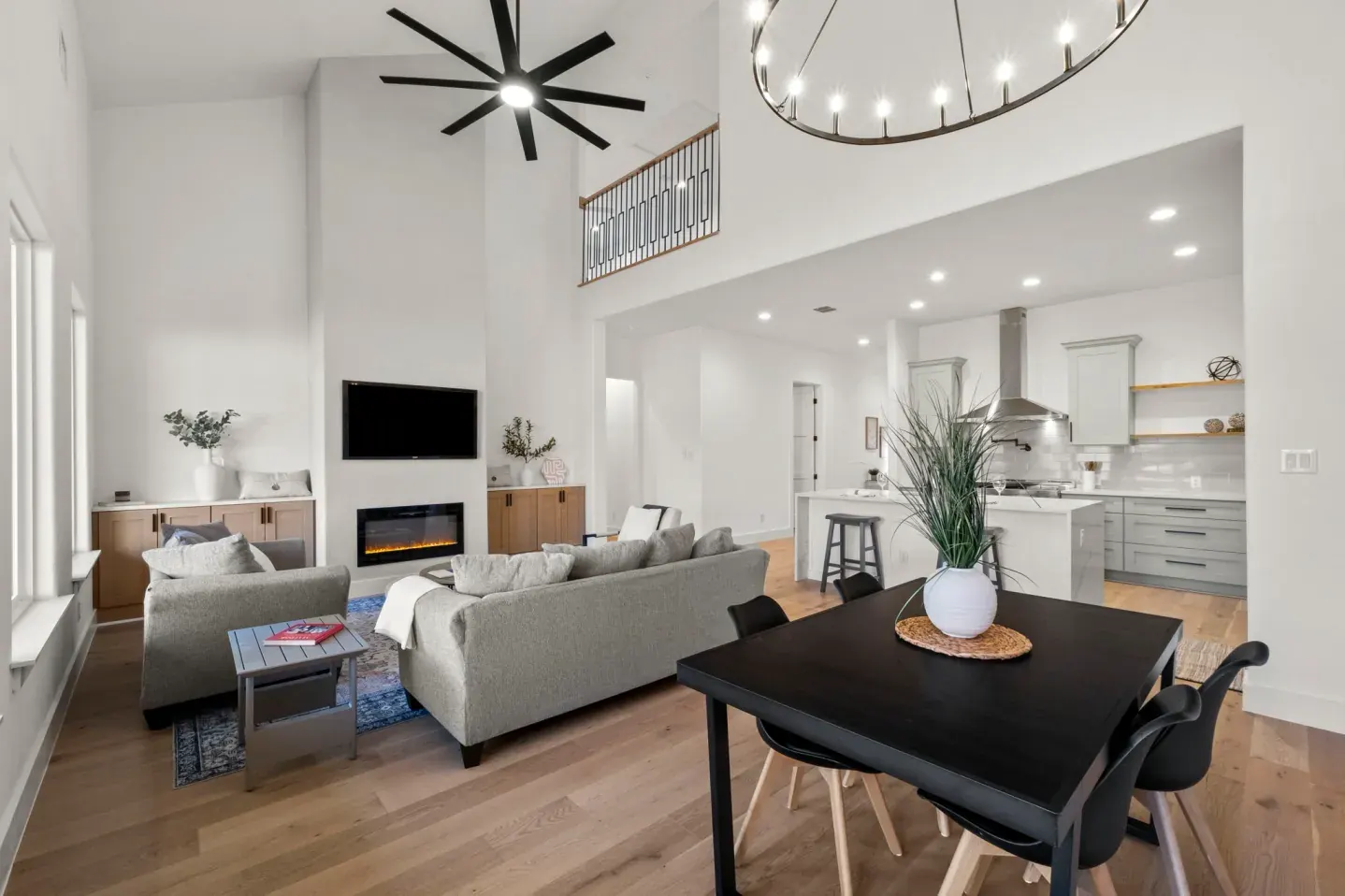
This timing matters because the furniture is doing a specific job. It gives empty rooms a readable scale and a clear purpose in listing photos. It also supports the same room story when buyers arrive for showings. Removing it immediately after the photographer leaves solves the photo problem but creates a different experience at the property. Keeping it without reviewing the contract can create an avoidable renewal charge.
Ask for two dates before installation: the day the rental clock starts and the day the included term ends. Those dates may not be the same as the quote date. Realestaged states that its term starts when furniture is installed. Casita starts its published 60-day period on the first day of the month after staging. A seller who assumes the clock starts at MLS launch could misread the available window.
What should the initial staging term cover?
The initial term should cover the parts of the listing plan that depend most on presentation. At minimum, that means professional photography and the first active showing period. If the agent plans a broker event, open house, or refreshed photo set, put those dates on the same calendar before choosing an installation day.
Install too early and part of the rental term can disappear while repairs, cleaning, or contractor work is still unfinished. Realestaged says the home should be complete, clean, vacant, and accessible before installation. It also describes the stager as the last crew in before photography. That sequence protects rented inventory and keeps fresh rooms from being disrupted before the camera arrives.
Install too late and the listing may launch with empty photos or a rushed setup. The better order is to finish the property work, clean, install the staging, photograph the completed rooms, and then go live. The staging term is most useful when nearly all of it supports marketing instead of waiting on a painter, flooring crew, or delayed photographer.
A practical San Antonio listing calendar should place the contract-expiration date beside the photography date, MLS launch, planned open houses, and the Realtor's next listing review. That calendar does not predict how fast the home will sell. It creates a decision point before the staging term runs out. The seller and agent can review showing activity, buyer feedback, pricing, photography, and the next marketing move while there is still time to extend or schedule removal.
The listing-presentation leak here is a broken handoff. Furniture arrives before the house is ready, photos move, the launch slips, and the seller loses part of the term without gaining any market exposure. A clear installation-to-launch sequence protects the staging budget and gives every staged room a job.
When does extending vacant staging make sense?
Extend the staging when the home still needs the furnished presentation and the next listing plan will use it. The decision should connect to a real action, such as continuing showings, holding another open house, updating photography, or keeping hard-to-read rooms clear for buyers. Extending only because furniture is already there can turn a useful marketing expense into an automatic habit.
Start the review before the renewal deadline. Look at the extension price, whether renewal happens automatically, and how much notice the stager needs if you decide to remove the inventory. Casita publishes a monthly holding fee after its included period. Furbish says extensions are available monthly and the price appears in the original contract. Wall To Wall also describes optional monthly rental after its initial term. Those examples show why the first proposal should include the renewal cost, not only the installation total.
Then look at the listing problem. If buyers still struggle to understand an open living and dining area, a narrow bedroom, or an empty flex room, the staging may still be supporting room purpose and scale. If the agent is planning a relaunch, keeping the rooms staged can preserve continuity between new photos and in-person showings. If the listing strategy is changing in a way that no longer uses the furnished presentation, removal may be the cleaner choice.
Do not treat an extension as a substitute for a listing review. Staging cannot correct every reason a property is sitting. Pricing, condition, access, photography, and marketing belong in the Realtor conversation. The stager can explain inventory, room priorities, renewal options, and removal timing. The Realtor can guide the broader transaction and listing strategy.
For a partial-budget decision, ask whether every installed room is still carrying its weight. Some contracts or providers may allow a reduced scope, while others may not. Never assume pieces can be returned room by room. Ask whether the existing agreement permits a smaller package and whether changing it creates delivery, labor, or restocking costs.
Should staging come out as soon as the home is under contract?
Do not schedule removal from the words under contract alone. Confirm the transaction milestone with the Realtor, read the staging agreement, and give the stager enough lead time. Provider policies differ on the latest useful removal point, which makes this a coordination decision instead of a universal rule.
Urban Staging describes destaging after a listing goes under contract and publishes a ten-day scheduling notice. Wall To Wall advises keeping its inventory until appraisal, inspection, and financing contingencies are satisfied and the buyer is clear to close. That company also publishes a 14-day removal notice. Realestaged requires at least two days of written notice and warns about removal after ownership changes. These are individual company policies, not instructions for every Texas transaction.
The seller's job is to avoid two opposite mistakes. Removing furniture too early can leave the property empty if the contract ends and the listing returns to active status. Waiting too long can crowd the closing calendar or leave rented inventory in the home near transfer of ownership. The safest plan is the one agreed upon by the seller, Realtor, and stager before the removal deadline.
Ask the Realtor which transaction milestone should trigger the call. Ask the stager how many business days are required, who must provide access, and whether an elevator, gate, HOA, or parking reservation affects pickup. Put the requested removal date in writing. Confirm that utilities and access will remain available until the crew finishes.
A fast offer may not reduce the initial bill. Furbish says early destaging is available but does not provide a refund for a quick sale. Wall To Wall states that its initial investment remains the same even if the property goes under contract immediately. Sellers should ask this before signing so an early contract feels like good news, not a billing surprise.
Use this contract-first staging timeline
Contract dates: Write down the installation date, rental start date, included-term end date, and renewal date. If any date is unclear, ask for a written explanation before furniture is delivered. The difference between two months, 60 days, and eight weeks can matter when photography or launch dates shift.
Included scope: Record which rooms, furniture, art, rugs, and accessories are included. Confirm whether delivery, installation, pickup, insurance, damage terms, and taxes are part of the quote. This keeps the duration decision connected to the actual presentation being rented.
Launch plan: Finish repairs and cleaning before installation. Schedule photography after staging and place the MLS launch, open houses, and early showing period inside the included term. If the launch moves, update the staging calendar the same day instead of discovering the lost time at renewal.
Extension decision: Review the listing before the included term expires. Compare the monthly cost with the next marketing step and the rooms that still need furnished scale or purpose. Confirm whether renewal is automatic, whether a smaller scope is permitted, and what notice stops the next charge.
Removal plan: Choose the transaction milestone with the Realtor, then work backward from the stager's notice requirement. Published examples range from two days to fourteen days. Leave time for access coordination and a written pickup confirmation. Do not plan furniture removal after ownership changes unless the agreement and transaction professionals have addressed it.
This checklist gives a seller or agent a better question than asking for an average vacant staging duration. Ask how the contract supports this property's photography, showings, extension decision, and closing calendar. For a San Antonio home with empty rooms that are hard to size or understand, vacant staging services may fit the listing. A staging consultation can define the rooms and timing before the rental clock begins.
Related home staging services
Sources
How Long Should Vacant Staging Stay in a San Antonio Listing? FAQs
Is 60 days standard for vacant home staging?
Several staging companies publish terms of about 60 days or eight weeks, but there is no universal term. Use the dates, renewal rules, and removal notice in your own agreement.
Can vacant staging stay longer if the home has not sold?
Often yes. Some providers offer monthly extensions or holding fees after the initial term. Confirm the extension price and whether renewal is automatic before signing.
Should staging stay for showings after listing photos?
Usually, if the furniture is helping buyers read the same scale, layout, and room purpose they saw online. Tie the decision to the showing plan and rental term.
When should furniture be removed after an offer?
Coordinate the milestone with your Realtor and stager. Provider policies vary, and published removal notice periods range from two to fourteen days.
Will I get a refund if the home goes under contract quickly?
Not necessarily. Some published contracts do not refund unused time after early destaging. Review that term before installation.