
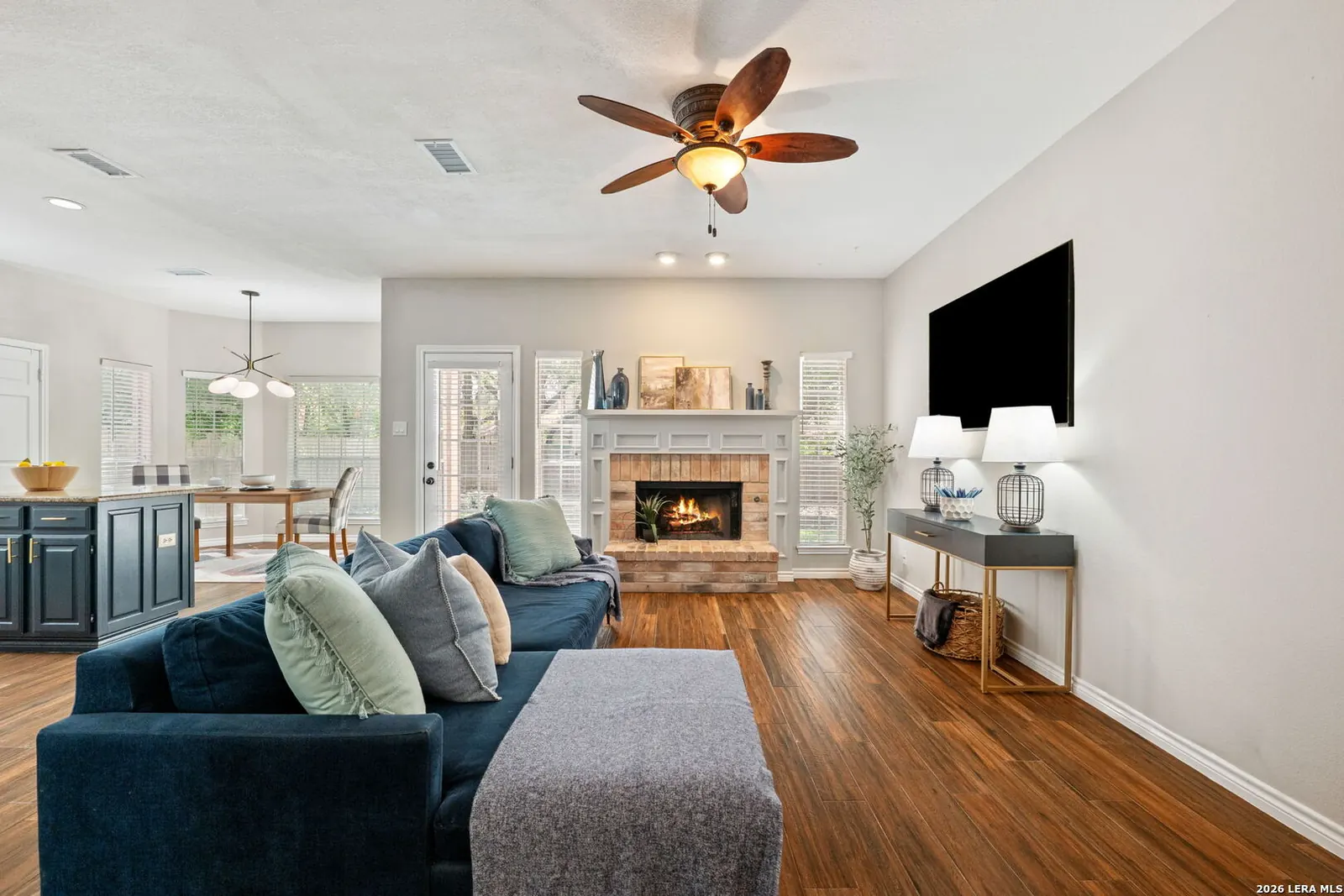
By Valarie Adams · August 20, 2026
When Is Partial Staging a Better Fit Than Staging Every Room in a San Antonio Home?
A limited staging budget does not require a guess. Use the room condition, photo plan, furniture scale, and listing timeline to decide whether partial staging is enough or whole-home staging has a clearer job to do.
When is partial staging the better choice?
Partial staging is often the better choice when an occupied home is clean, functional, and furnished, but a few important rooms do not explain themselves well in listing photos or showings. The living room may feel crowded, the dining area may disappear into an open plan, or a spare room may look like storage instead of usable space. In that situation, the scope can focus on the views that create the first impression instead of treating every room as a separate project.
Start with what a buyer can understand from the photo set and the first walk through. If the main spaces already have a clear use, a readable path, and furniture that fits their scale, the home may need editing rather than a full installation. Removing excess pieces, clearing surfaces, adjusting a layout, and adding a few targeted items can give the camera a clearer view of the home.
Partial staging should still begin after the basics are handled. Cleaning, visible repairs, lighting, and clutter removal come first. Furniture cannot correct a marked wall, a blocked walkway, or a kitchen counter full of daily items. The goal is to solve a specific presentation leak with the lightest useful scope.
Which rooms should get the budget first?
Put the budget toward rooms that carry the listing story and rooms that are difficult to read without help. The entry, main living area, kitchen, primary bedroom, dining area, and any flex room are useful places to begin. The National Association of REALTORS reports that living rooms, primary bedrooms, and dining rooms are commonly staged. That is a starting point for a room-by-room review, not a package that every San Antonio home needs.
For each priority room, name the question the photo needs to answer. A living room should show where people can sit and how they move through the space. A dining area should look intentional without blocking the route to the kitchen. A primary bedroom should show usable scale around the bed. A flex room needs one believable purpose in the frame, such as an office or guest room, rather than a mix of boxes, exercise equipment, and spare furniture.
Use temporary phone photos from the doorway and likely camera angles. A room that reads clearly in person can look flat, cramped, or confusing in a photograph. If the image leaves a buyer unsure about the room's use or size, that is a useful reason to prioritize it. If the image already reads clearly, save the staging budget for a harder-working space.
How do you tell whether a room needs editing or furniture?
A room may only need editing when the existing furniture already gives it a clear purpose but too many pieces compete with the view. In an occupied living room, that could mean removing an extra chair, a large storage unit, or decor that hides a focal wall. In a bedroom, it may mean clearing visible storage and leaving a more open route around the bed. These changes can be practical when the seller needs the home to keep functioning between photos and showings.
Furniture becomes more useful when the room lacks the visual cues needed to show scale or function. An empty dining area may need a table to define its role. A large blank living space may need a seating group so the camera can show how it works. A narrow room may need a bed or desk at an appropriate scale to make its intended use easier to understand. The pieces should explain the room, not fill every wall.
This distinction keeps the conversation from becoming generic decorating advice. Ask what the room needs to communicate, what blocks that message now, and whether the smallest useful change is removal, rearrangement, or an added piece. A staging consultation can turn those observations into a practical plan before the seller commits to a larger scope.
When does staging every key room make more sense?
Staging more of the home can make sense when the presentation problem is spread across several rooms. Vacant homes are a common example because empty rooms can leave scale, furniture placement, and room purpose unclear. A large open area may not show where living ends and dining begins. A primary bedroom can be difficult to judge without a bed and basic supporting pieces. Several blank rooms can make the photo set feel disconnected even when the house is clean.
A broader plan may also be useful when the existing furnishings are heavily mismatched, oversized for the rooms, or unable to show the home's best features. The decision is about the amount of presentation work required, not about whether the home should look elaborate. If the windows, flooring, fireplace, built-ins, or circulation are hidden in too many important spaces, a few small edits may not be enough to give the listing a consistent visual story.
Before choosing a full scope, confirm the practical details. Delivery, installation, removal, access, photography, cleaning, and any remaining maintenance need to fit the listing timeline. A listing photo preparation guide can help the seller and Realtor separate the work that belongs before staging from the work that needs to happen after the room plan is set.
What is a useful partial-staging decision checklist?
Use the same questions in every photo-critical room before deciding how far the staging plan needs to go. The checklist keeps the budget conversation attached to the property instead of to a standard furniture package.
1. Can a buyer identify the room's main purpose from the doorway or photo angle?
2. Does the existing furniture show the room's scale without blocking a route, window, door, or focal feature?
3. Are cleaning, repairs, lighting, and clutter removal complete enough for photography?
4. Does the room need a smaller edit, a consultation plan, targeted pieces, or a broader staging scope?
5. Can the seller maintain the chosen arrangement through the expected photo and showing schedule?
A room with clear answers to the first three questions may only need preparation and a few furniture edits. A room that still has no clear purpose or scale after those steps is a stronger candidate for targeted staging. If several important rooms reach that point, whole-home staging may be easier to coordinate than a series of unrelated fixes. The checklist does not predict a sale result. It helps the listing team choose a presentation scope that matches what the photos and rooms actually need.
How should a seller and Realtor set the next step?
Set the next step by reviewing the home together from the buyer's point of view. Begin at the entry, then follow the path through the main living spaces, kitchen, primary bedroom, and any room that needs an explanation. Note the specific issue in each priority space: crowded scale, unclear function, weak sightline, unfinished preparation, or a vacant room that is hard to picture. A clear observation gives the seller, Realtor, and stager something concrete to solve.
Then place the work in order. Complete cleaning and repairs first, decide what the seller can remove or rearrange, confirm which rooms need staging help, and coordinate that scope with the photography date. Pricing, disclosure, condition, and marketing strategy are separate decisions for the seller and Realtor to review with the appropriate professionals. Staging can clarify presentation, but it should not be asked to solve a condition or transaction question.
For an occupied home, a consultation and a short room list may be enough. For a vacant or visually inconsistent home, a broader plan can give the key spaces a coherent purpose before the camera arrives. If you are choosing between those paths, contact Vabulous Living with the listing timeline, room photos, and the spaces that are hardest to show.
Related home staging services
Sources
- National Association of REALTORS: Consumer Guide: Staging Your House for a Sale
- National Association of REALTORS: 2025 Profile of Home Staging
- National Association of REALTORS: Consumer Guide: Preparing to Sell Your Home
- National Association of REALTORS: Consumer Guide: Marketing Your Home
- National Association of REALTORS: Staging Resource
When Is Partial Staging a Better Fit Than Staging Every Room in a San Antonio Home? FAQs
Can partial staging work for an occupied San Antonio home?
Yes. Partial staging can fit an occupied home when the main rooms already have useful furniture but need editing, clearer layout, or a few targeted pieces for photos and showings.
Should I stage every room before listing photos?
Not necessarily. Start with the rooms that explain the home's layout, carry the first impressions, or have unclear purpose in photographs. A room-by-room review can show where a smaller scope is enough.
Does partial staging replace cleaning or repairs?
No. Cleaning, visible repairs, lighting, and clutter removal should be addressed before the staging scope is finalized. Staging supports a finished presentation rather than covering an unfinished problem.
When should a seller ask for a staging consultation?
Ask for a consultation when the seller and Realtor need help deciding which rooms are photo-critical, what existing furniture can stay, and whether targeted staging or a broader plan fits the listing.