
By Valarie Adams · August 18, 2026
Should You Restage a Stale San Antonio Listing Before Relaunching It?
A stale listing needs a clear diagnosis before a relaunch. Use feedback, existing photos, room purpose, and a practical scope test to decide whether targeted restaging can improve the presentation before new photography.
Should you restage before relaunching a stale listing?
Restaging makes sense before a relaunch when the listing has a visible presentation problem that can be corrected before new photos. Start with the first images, showing feedback, and the rooms that buyers need to understand quickly. If the living room looks smaller than it is, the dining area reads as storage, the primary bedroom feels crowded, or a flex room has no clear purpose, staging may give the relaunch a clearer visual story.
A stale listing can have more than one cause. Pricing, market conditions, access, property condition, timing, and marketing all deserve a separate conversation with the listing agent. Zillow's relisting guidance makes the same distinction by recommending a review of listing and property weaknesses before a home is put back on the market. Restaging is most useful when it addresses a real photo or showing issue, not when it is used to avoid a different decision.
For a San Antonio seller or Realtor, begin with the smallest useful scope. A room may only need decluttering, furniture editing, lighting adjustments, and a new camera angle. Another may need a different layout or a few pieces that clarify how the space works. The goal is a more legible listing, not a house filled with furniture.
What presentation problems can restaging fix?
Restaging can fix presentation leaks that make the home harder to read in photos and during showings. The common ones are unclear room purpose, furniture that overwhelms the room, cluttered surfaces, personal items, weak sight lines, dim views, and empty spaces with no sense of scale. Those problems are often easier to identify from the listing photos than from memory of the home.
Review the property as a buyer might see it online. Start with the hero image, entry, main living area, kitchen and dining connection, primary bedroom, and any flex room included in the photo set. Ask one practical question for each view: what should this image help someone understand? A living room may need to show seating and a route through the space. A dining area may need to show where it begins and ends. A flex room may need to show whether it can support work, guests, or another use without making a claim for the buyer.
Zillow's photography guidance supports this photo-first approach with its preparation advice on cleaning, decluttering, depersonalizing, lighting, and staging each room. If those smaller edits solve the problem, a full installation may not be necessary. If the photo still leaves the room's scale or purpose unclear, a targeted staging plan is worth discussing.
Which rooms should you review before new listing photos?
Review the rooms that carry the first explanation of the home before booking new listing photos. In the National Association of REALTORS 2025 Profile of Home Staging, surveyed agents commonly identified living rooms, primary bedrooms, and dining rooms among the spaces they staged. That is useful context for setting priorities. The home's actual layout and photo plan should decide the final room list.
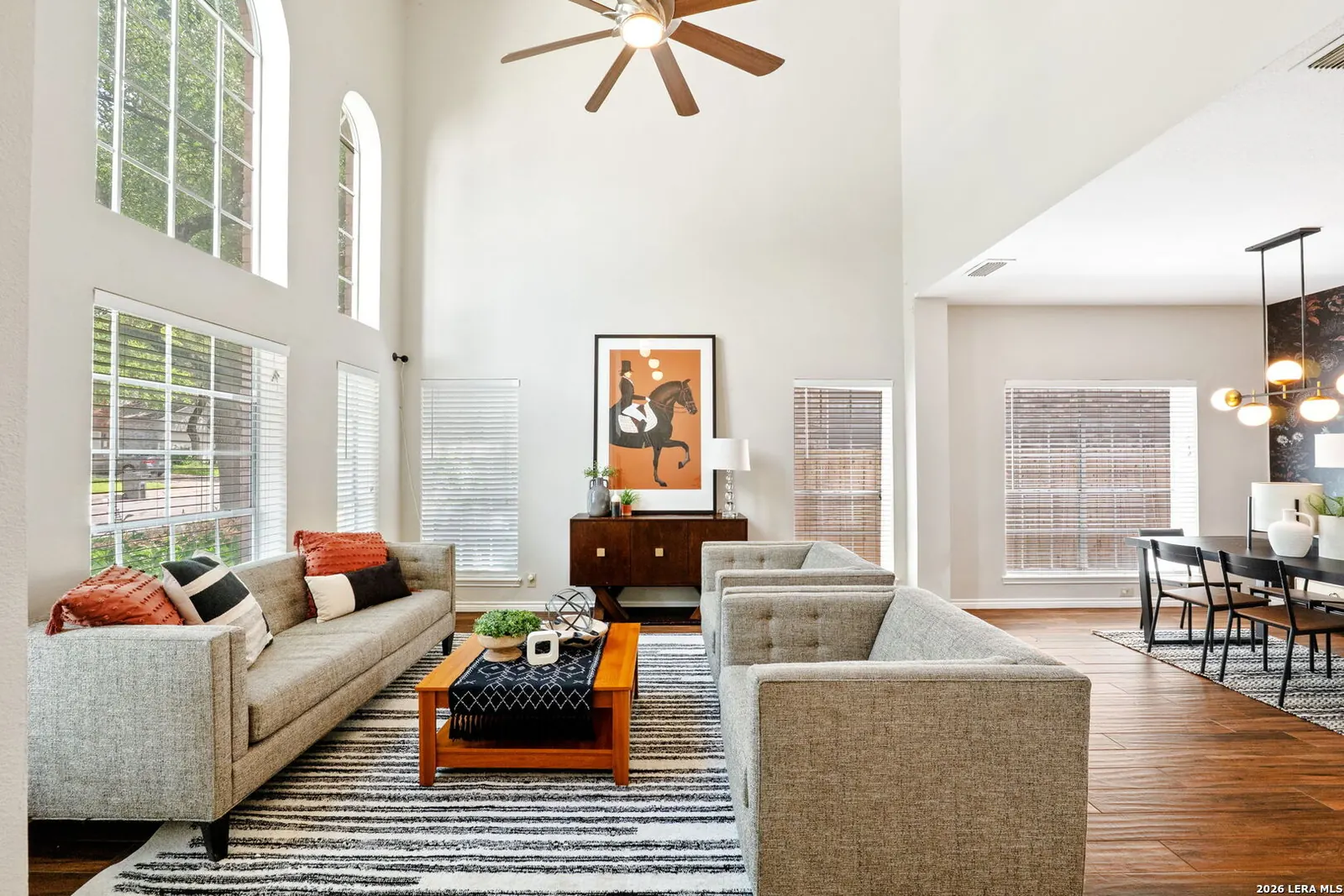
A large open living area may need a compact seating arrangement so the camera can show where conversation belongs and how the room connects to the kitchen. A primary bedroom may need fewer, better-placed pieces to show usable wall space and a clear path around the bed. A dining area may need a table that establishes use without blocking the route from the entry or kitchen. Keep windows, flooring, fireplaces, built-ins, and other visible features open to the camera.
Do not restage every room by default. Secondary bedrooms, utility areas, or already-clear spaces may not need more than preparation and a clean photo plan. A listing photo preparation guide can help the seller organize those smaller tasks. Save the deeper staging work for the rooms that keep creating uncertainty in the images or feedback.
How do you separate a staging problem from a pricing or market problem?
Separate the issue by comparing the feedback with the presentation. Comments about dark photos, crowded rooms, an awkward layout, a vacant space that feels hard to picture, or a home that looks less finished than it is point to a presentation review. Comments focused on comparable options, budget, timing, condition that needs repair, or the list price require a Realtor's broader listing analysis. A relaunch can include both conversations without treating one as a substitute for the other.
Realtor.com's stale-listing guidance recommends collecting feedback and considering presentation, professional photos, marketing, and price strategy together. Bring the exact showing comments, current photos, and upcoming timeline into the same meeting. That keeps a seller from spending on staging before the team can name the problem it needs to solve.
For occupied homes, the answer may be a seller-completed edit after a staging consultation. For vacant homes, it may be partial staging in the photo-critical spaces. When the listing already photographs clearly and the feedback centers on the market or price, staging alone is unlikely to answer the concern. The next move should match the evidence in front of the seller and Realtor.
When is a consultation enough, and when is hands-on staging needed?
A consultation can be enough when the home has usable furnishings and the needed changes are specific. That might include removing excess pieces, changing a layout, clearing surfaces, packing personal items, improving light, and setting a photo-ready plan for the rooms that matter most. The seller and Realtor need enough time and capacity to complete the list before photography and keep the result in place for showings.
Hands-on staging may be a better fit when several key rooms need a new layout, replacement furniture, or help turning the recommendations into a finished setup. It can also help when an empty room has no clear scale in the camera view or an occupied room cannot show its function with the pieces already available. The scope should be based on the photo list and room problems, not on a generic package.
Ask for a room-by-room plan before choosing either path. Name the room, the photo angle, the feature that should remain visible, the presentation leak, and the smallest change that could correct it. That approach keeps home staging for sellers in San Antonio connected to the listing relaunch rather than to a decorative wish list.
What is a practical restaging checklist before a relaunch?
Use this checklist to decide whether the relaunch needs targeted restaging before new photography. It gives the seller, Realtor, stager, and photographer a shared way to discuss the next step.
1. Gather the feedback. Separate comments about photos, room purpose, clutter, light, access, condition, price, and timing.
2. Review the current photo set. Mark the images where the home feels crowded, empty, dim, unclear, or less finished than it is in person.
3. Choose priority rooms. Begin with the rooms that appear early in the listing and carry the clearest buyer questions about scale and use.
4. Pick the smallest useful change. Decide whether the room needs preparation, a consultation plan, a layout revision, or hands-on staging.
5. Protect the photo story. Keep the best windows, views, flooring, fireplaces, built-ins, and walkways visible from the planned camera angles.
6. Confirm the relaunch sequence. Finish cleaning, repairs, presentation work, and the photo plan before new images are made. Review pricing, timing, and listing details with the Realtor as a separate part of the relaunch.
A focused plan can help the new photos explain the home more clearly. If you want help identifying which rooms need attention, contact Vabulous Living with the current listing photos, expected relaunch timing, and the rooms that feel hardest to show.
Related home staging services
Sources
Should You Restage a Stale San Antonio Listing Before Relaunching It? FAQs
Can restaging replace a price reduction?
No. Restaging can address an unclear visual presentation, while pricing is a separate decision for the seller and Realtor to review using the listing feedback and current market context.
Do I need to restage every room before a relaunch?
No. Start with the spaces that appear in key listing photos or have an unclear purpose, scale, or path through the room. A targeted scope can be enough.
What should I bring to a pre-listing staging consultation in San Antonio?
Bring the current listing photos, showing feedback, floor plan if available, expected photo date, relaunch timing, and the rooms that seem difficult to explain. That helps the conversation stay focused on the presentation problem.
Should new photos wait until staging work is complete?
Usually, the photo plan should reflect the finished preparation and staging work. Coordinate the schedule with the Realtor, photographer, and staging provider so the priority rooms are ready for the intended shots.