
By Valarie Adams · September 15, 2026
When Should a San Antonio Seller Prioritize Furniture Scale Over New Decor Before Listing?
New decor cannot solve a room that feels crowded or hard to understand in listing photos. Use this San Antonio staging guide to test furniture scale and placement before spending on accessories.
When Should Furniture Scale Come Before New Decor?
Furniture scale should come first when the room feels cramped, a walking path narrows, a window or architectural feature disappears, or the likely listing photo cannot show the room's purpose. Those are layout and proportion problems. A new pillow, lamp, or art piece may polish the frame, but it cannot create floor area that an oversized sofa has taken away.
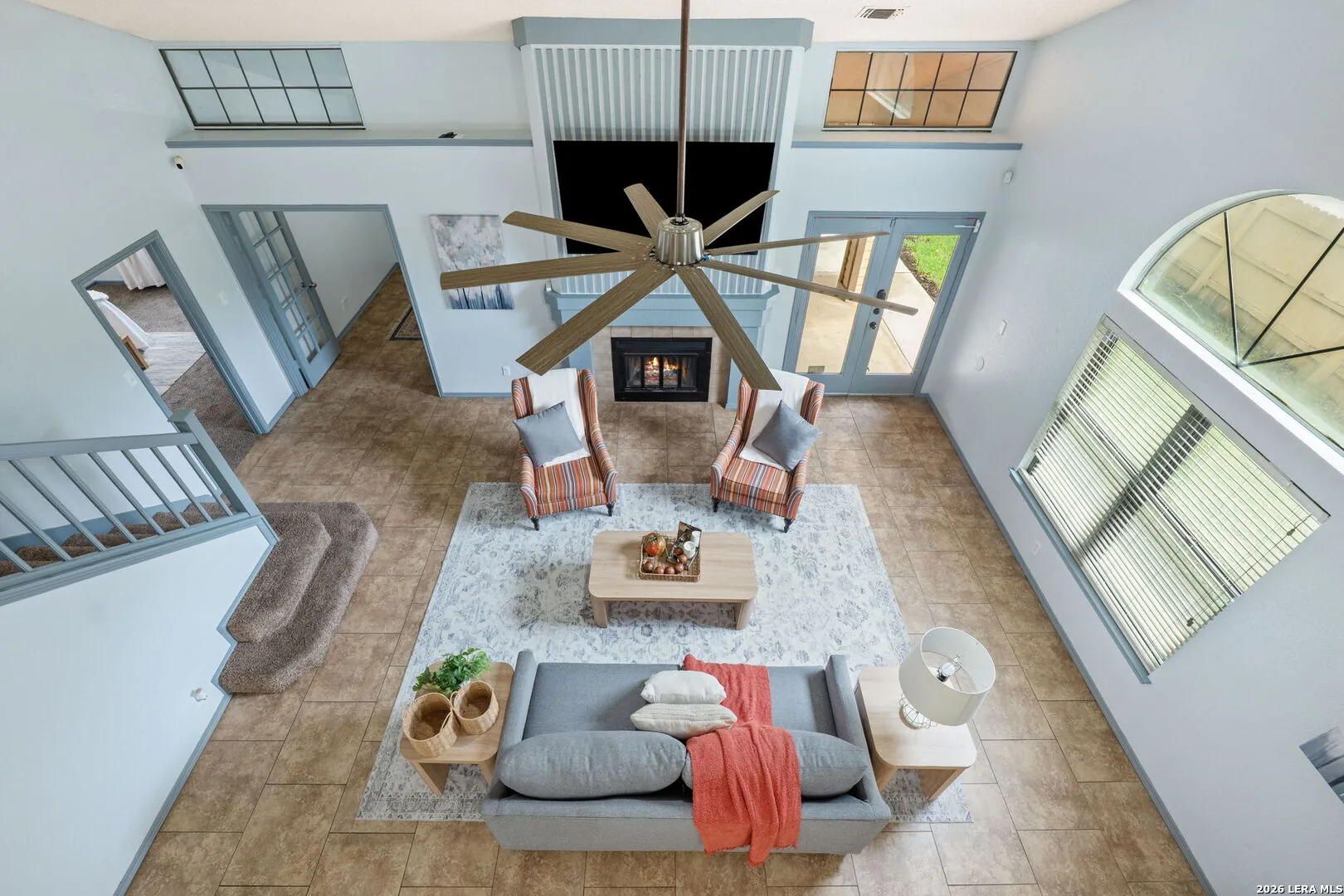
Look at the room from the doorway and from the likely camera position. Ask whether someone can identify the main function quickly. A living room should show a usable conversation area. A bedroom should show enough space around the bed to understand circulation. A dining area should show the table's relationship to the room without making the path through the space feel blocked.
Prioritizing scale does not mean every large piece must leave. A sectional may be the right anchor if it fits the room and leaves a clear route. A dining table may stay if the chairs do not crowd the frame. The decision depends on proportion, access, focal points, and the way the space will be photographed.
NAR's Consumer Guide: Staging Your House for a Sale supports decluttering, purposeful rooms, visual appeal, and professional input as part of preparing a home. That guidance points toward solving the room's main presentation problem before adding a finishing layer.
What Signs Show That Furniture Is the Problem?
Furniture is the first problem when one piece controls the entire room's readability. The clearest signs are a blocked pathway, a hidden window, a covered fireplace or built-in, a door that cannot open comfortably, or a camera position that requires an awkward retreat into another room. A room can be clean and attractive while still presenting poorly because the furniture is too large or arranged around the wrong focal point.
Check the negative space as carefully as the furniture. Buyers need enough visible floor and wall area to understand proportion. A chair placed in a passage can make a normal room feel tight. A bed pushed too close to a wall can make the bedroom look smaller. Extra stools around an island can make the kitchen appear crowded even when the counters are clean.
A second sign is a mismatch between the marketed function and the setup. If a room is supposed to help a buyer picture a home office, a desk should not be buried behind storage. If it is a family room, a single decorative chair may not explain how the room works. Furniture should support the use the listing presents instead of asking accessories to carry that message.
Use a zero-purchase test before shopping. Remove one large or redundant item, open the main route, uncover the most important feature, and take a phone photo from the intended angle. If the frame becomes easier to understand, the next action is furniture editing or repositioning.
How Can You Test Scale Before Buying Anything?
Test scale by measuring the anchor pieces, marking a walking path, and photographing the room before and after one focused change. The anchor is usually the sofa, bed, dining table, desk, or another piece that determines how the rest of the room can work. Record its width, depth, and relationship to doors, windows, and other fixed features.
Use painter's tape or temporary markers to show the footprint of a replacement piece or a smaller arrangement. Leave the route into the room open and preserve access to windows, closets, doors, and built-ins. The test does not need to predict every styling decision. It needs to show whether the room has enough usable area for its proposed function.
Take one photo from the doorway and another from the likely listing-camera position. Compare the amount of floor, the visible focal point, and the ease of reading the room. A phone image will not replace the photographer's work, but it can expose a layout problem before the seller spends money on decor or rental furniture.
If removing one piece improves the frame, keep the edit long enough to test the room during normal use. A layout that looks open for five minutes may be impractical if the household cannot walk through it, use the desk, open the closet, or maintain the arrangement during showings.
When Does New Decor Solve a Real Presentation Gap?
New decor belongs after the room's scale, circulation, cleaning, repairs, lighting, and photo angle are working. At that point, an accessory can solve a defined problem. The gap might be a correctly scaled lamp beside a chair, cohesive bedding that finishes the bedroom, simple art that gives a blank wall a focal point, or a restrained color cue that connects separate pieces.
Use as few items as the room needs. The NAR article Staging to Sell with Inspo from 5-Star Hotels describes selective furniture, symmetry, bedding, lighting, and restrained styling as parts of a polished presentation. The useful lesson is the hierarchy. Accessories support the structure of the room. They should not compete with it or create more decisions for the viewer.
Buy decor when you can name the problem, the location, the scale, and the reason the item belongs in the photo. Avoid shopping because the room feels unfinished in a general way. A new basket may add another object to a crowded entry. A large piece of art may make a small wall feel heavier. A lamp can help only if its size and light support the nearby furniture.
For San Antonio sellers who need help deciding whether the issue calls for editing, repositioning, or a larger staging scope, a staging consultation can turn the zero-purchase test into a room-by-room plan: https://vlstagingco.com/services/staging-consultation-san-antonio/.
How Should Furniture and Decor Work Together in Listing Photos?
Furniture should establish the room's function and proportion, while decor should guide attention to the features that matter. Start with the camera frame instead of styling every surface. Keep the main route visible, leave windows and selling features uncovered, and place accessories where they add scale or finish without creating visual noise.
Photograph a test frame after each meaningful change. If the sofa moves, check whether the path and focal point improve. If a lamp or art piece is added, check whether it balances the frame or competes with the room. The goal is a clear composition that shows how the room works, not a collection of attractive objects.
A room may need fewer accessories after a furniture edit. Removing a chair can open a sightline. Moving a table can expose a window. Reducing the number of pieces can make existing bedding, flooring, built-ins, or natural light easier to see. Subtraction is a valid staging action when the room already has enough visual material.
Before the photographer arrives, organize the final cleaning and room reset. The furniture review determines whether the camera can show the room's actual scale and purpose.
What Should a Seller Do Before Choosing a Staging Scope?
This order keeps a seller from spending on decor before knowing whether the room needs less furniture, different furniture, or a clearer arrangement. It also gives a Realtor a specific conversation for the listing timeline. The question becomes what must change before photos, what can wait until showings, and who owns each task.
A staging consultation is useful when the seller's pieces are difficult to edit, when several rooms compete for the same furniture, or when the home needs a consistent plan before photography. A Realtor can bring the photo date, room measurements, furniture constraints, and test images to that conversation.
Use the decision that the room can support truthfully. The best staging result may be one smaller sofa, a rotated bed, fewer chairs, or no new decor at all. If a small accessory remains useful after the layout works, add it with a clear purpose and keep the final frame easy to understand.
- Remove one large or redundant piece that blocks a path, window, feature, or useful camera position.
- Reposition the remaining furniture around one clear function and focal point.
- Check lighting, bulbs, cleaning, repairs, and surface clutter before adding visual accessories.
- Take test photos and compare floor area, circulation, room purpose, and feature visibility.
- Buy or rent decor only when the images reveal a specific gap that accessories can solve.
- Request staging help when the seller cannot identify the right scale, maintain the edit, or choose a service scope.
Related home staging services
Sources
When Should a San Antonio Seller Prioritize Furniture Scale Over New Decor Before Listing? FAQs
Should I buy decor before moving furniture?
Usually no when the room feels crowded, blocks a feature, or has a weak path. Test a furniture edit and take photos first. Buy decor after the layout works and a specific visual gap remains.
How do I know if a sofa is too large for listing photos?
Check whether it blocks circulation, hides a window or feature, crowds the camera position, or leaves too little visible floor for the room's function. Measure it against the room and test a smaller arrangement.
Can new decor make an occupied home look staged?
Decor can finish a room after furniture, cleaning, repairs, lighting, and circulation are working. Keep accessories selective and tied to a defined purpose instead of adding objects to fill every surface.
When should I request a staging consultation?
Request one when you cannot decide which pieces fit, the furniture edit affects several rooms, or you need a room-by-room plan before photos and showings.