
By Valarie Adams · September 8, 2026
What Can a San Antonio Seller Fix With a Staging Consultation Before a Photographer Arrives?
A staging consultation is most useful before listing photos when the seller needs to decide what to fix, remove, store, clean, or explain first. Use this San Antonio plan to turn a room-by-room walk-through into a practical deadline and owner list.
What Can a Staging Consultation Fix Before Photos?
A staging consultation can identify the presentation problems a seller should address before a photographer arrives. It is useful when a home is generally ready but the next steps are scattered across clutter, furniture, room purpose, lighting, cleaning, small visible defects, kitchens, baths, or the exterior approach. The consultation turns those observations into an order of work.
The goal is not a remodel or a shopping list. Start by asking what the camera is likely to show and what a viewer might misunderstand. A crowded entry can make the first frame feel blocked. An oversized sofa can hide a path or make the living room hard to judge. A spare room filled with mixed storage can lose its purpose. A reflective surface can make daily items more noticeable than the room itself.
The National Association of REALTORS Consumer Guide: Staging Your House for a Sale supports consultation, depersonalizing, decluttering, cleaning, repairs, room purpose, lighting, and curb appeal as parts of preparing a home. NAR's photo-shoot guidance adds a camera-specific check of rooms and exteriors. Together, those sources support a preparation sequence rather than a generic decorating project.
For a San Antonio seller, the practical output should be a room-by-room list with a problem, an action, an owner, a deadline, and a completion check. That list gives the seller, Realtor, stager, vendors, and photographer the same plan before the appointment is booked.
How Should You Rank the Work From a Consultation?
Rank the work by camera impact and readiness, not by which room is most satisfying to decorate. A consultation should separate tasks that protect the property or correct a visible defect from tasks that reduce visual noise and tasks that polish the final frame. This keeps a seller from buying accessories while a more important preparation item remains unfinished.
Begin with the question each task answers. Does it make the home safer or more complete? Does it remove a distraction? Does it clarify a room's purpose or scale? Does it help light and surfaces read cleanly? Does it protect the final photo-day schedule? The same question can produce a different priority in an occupied home, a vacant home, or a property with a tight photography date.
Use this order as a starting point, then adapt it to the actual property:
- Safety, maintenance, and small visible repairs that should be handled before presentation work.
- Camera-visible clutter, personal items, storage, and belongings that need to be removed or placed elsewhere.
- Furniture edits that open paths, improve scale, or give each room a clear purpose.
- Cleaning, reflective-surface work, consistent lighting, and high-detail kitchen and bath preparation.
- Simple styling and the final reset that keeps the agreed photo angles clear.
Which Clutter and Surfaces Should You Address First?
Start with the details that sit closest to the camera or compete with the room's main feature. That usually means entry surfaces, open shelving, kitchen counters, bathroom counters, nightstands, desks, media consoles, refrigerator fronts, mirrors, glass, and reflective appliances. The consultation should name the item and its next location rather than telling the seller to declutter everything.
Depersonalizing is part of the photo plan because personal items can pull attention away from the room and create extra work before showings. Pack what the seller does not need during the listing period. Move daily-use items into a defined storage area that will not appear in the photo set. Keep the work realistic enough that the seller can restore the arrangement after normal use.
Look at surfaces from the likely photo angle. A small collection that feels harmless while standing at a counter can become a dense block in a wide room photo. Cords, paperwork, medication, mail, pet supplies, and cleaning products need a secure plan. Do not use staging advice to move private or sensitive items into an unsecured area.
The room does not need to look empty. It needs a clear visual hierarchy. A consultation can identify the one surface, sightline, or storage area that is taking attention from the room's purpose, then assign a focused edit instead of creating a whole-house decluttering project.
What Repairs, Cleaning, and Lighting Belong Before Styling?
Handle small visible defects and basic cleaning before the final styling pass. A loose handle, marked wall, burned-out bulb, dusty fixture, dirty window, or stained high-detail surface can become more noticeable once the camera is close. A staging consultation can flag the presentation issue, but the appropriate contractor or qualified professional should handle work outside staging.
Cleaning should follow the order of the photo plan. Check the entry, floors, windows, mirrors, counters, appliances, bathrooms, and the surfaces that catch direct light. In kitchens and baths, simplify the frame while making sure the room still looks functional. In bedrooms, keep bedding and surfaces calm enough that the room reads as a sleeping space rather than a storage area.
Lighting is a consistency problem as well as a brightness problem. Replace burned-out bulbs, check mismatched color temperatures, and look for dark corners or reflections that distract from the room. The photographer controls the final equipment and exposure, but the seller controls whether the room arrives clean, accessible, and ready to be photographed.
Avoid treating styling as a way to hide an unresolved condition issue. If the consultation finds a repair, disclosure, inspection, or contract question, send it to the Realtor, broker, attorney, inspector, contractor, or other appropriate professional. Presentation work and property-condition work can be coordinated without being treated as the same task.
How Can Furniture Clarify Room Purpose Before Photos?
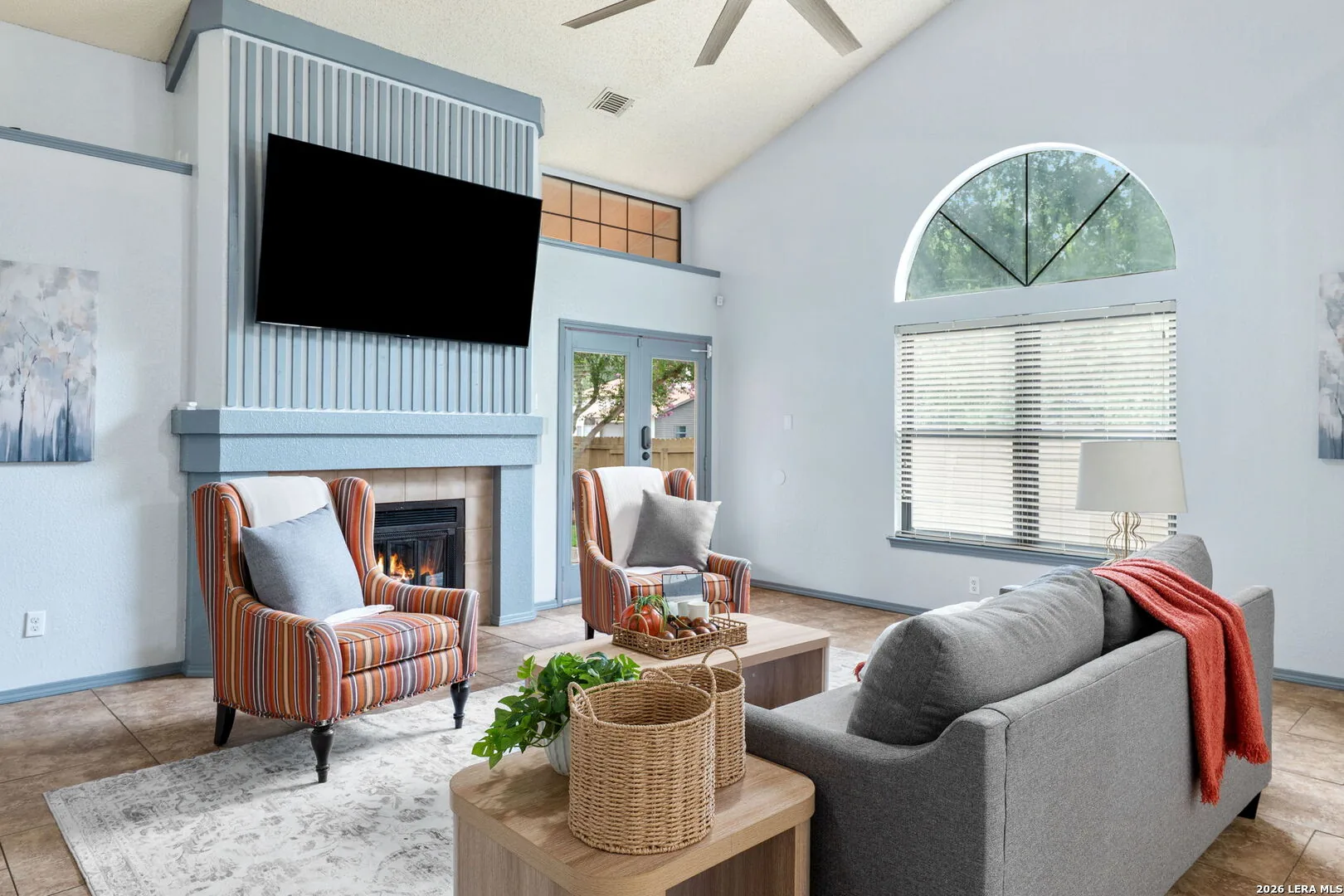
Edit furniture when the room's use, scale, or route is difficult to understand in photographs. In a living room, the first question is whether the seating arrangement leaves a readable path and a clear focal point. In a dining area, the question is whether the zone is visible without blocking the kitchen or making the open plan feel crowded. In a bedroom, the question is whether the furniture shows usable proportions without overwhelming the room.
Each room should have one primary message in the photo set. A flex room may need work before it can read as an office, guest room, or another practical use. The consultation should identify what is currently competing with that message, which piece can be removed or moved, and whether the seller can maintain the change through the photography and showing schedule.
The same review applies to exterior presentation. Look at the approach to the front door, visible storage, porch furniture, planters, bins, hoses, and anything that creates a question before a viewer reaches the interior. NAR's staging guidance includes curb appeal and the exterior setting as part of the preparation conversation.
For a seller who needs a room-by-room plan before choosing a service scope, the San Antonio staging consultation page is a relevant next step. Bring the photo date, a list of rooms that feel difficult, and any work already scheduled so the conversation stays tied to the listing timeline.
What Should Happen Before the Photographer Arrives?
Work backward from the photography appointment and give every task an owner and deadline. The seller may handle packing, surface edits, bedding, and the final reset. A vendor may handle a repair or deep cleaning. A Realtor may coordinate access and the shot list. A stager may identify the presentation priorities and recommend the next scope. The plan is useful only when each person knows what must be complete.
Use a final room-by-room reset after the larger work is finished. Check the entry, main living areas, kitchen, bathrooms, bedrooms, flex rooms, and the exterior approach. Confirm that paths are open, private items are secured, lighting is working, surfaces are clean, and the furniture arrangement matches the camera plan. Keep enough time for one small correction instead of scheduling every task against the photo start.
For related preparation, use the San Antonio listing-photo guide in the site's blog when organizing the final pass. A consultation should give the seller a sequence that can be completed before that checklist becomes urgent. Local timing still needs to be confirmed for the individual home, including access, vendor availability, cleaning, staging work, and the photographer's schedule.
The best consultation result is a short, specific work plan. It tells the seller what to fix, what to remove, what to clean, what to move, who owns each task, and when the room is ready for the camera.
Related home staging services
Sources
What Can a San Antonio Seller Fix With a Staging Consultation Before a Photographer Arrives? FAQs
Is a staging consultation the same as a full staging installation?
No. A consultation identifies and ranks presentation work for the property. The resulting plan may include seller edits, vendor work, furniture changes, or a later staging scope depending on what the rooms need.
Should repairs happen before a staging consultation?
Bring the stager and Realtor the known repair list, but do not wait to discuss presentation priorities if the photography date is approaching. The consultation can separate visible defects that need a vendor from edits the seller can complete.
What should sellers remove before listing photos?
Start with camera-visible clutter, personal items, paperwork, cords, extra furniture, daily-use products, and anything that blocks a room's purpose, path, window, or focal feature.
When should a staging consultation happen before photography?
Schedule it early enough to rank the work, complete repairs and cleaning, edit furniture, confirm access, and perform a final photo-day reset before the photographer arrives.