
By Valarie Adams · July 17, 2026
How Should You Stage an Older San Antonio Home?
An older home should look clear and current without losing the details that give it character. Use this room-by-room framework to decide what to preserve, repair, remove, and stage before listing photos.
Which original details should lead the listing photos?
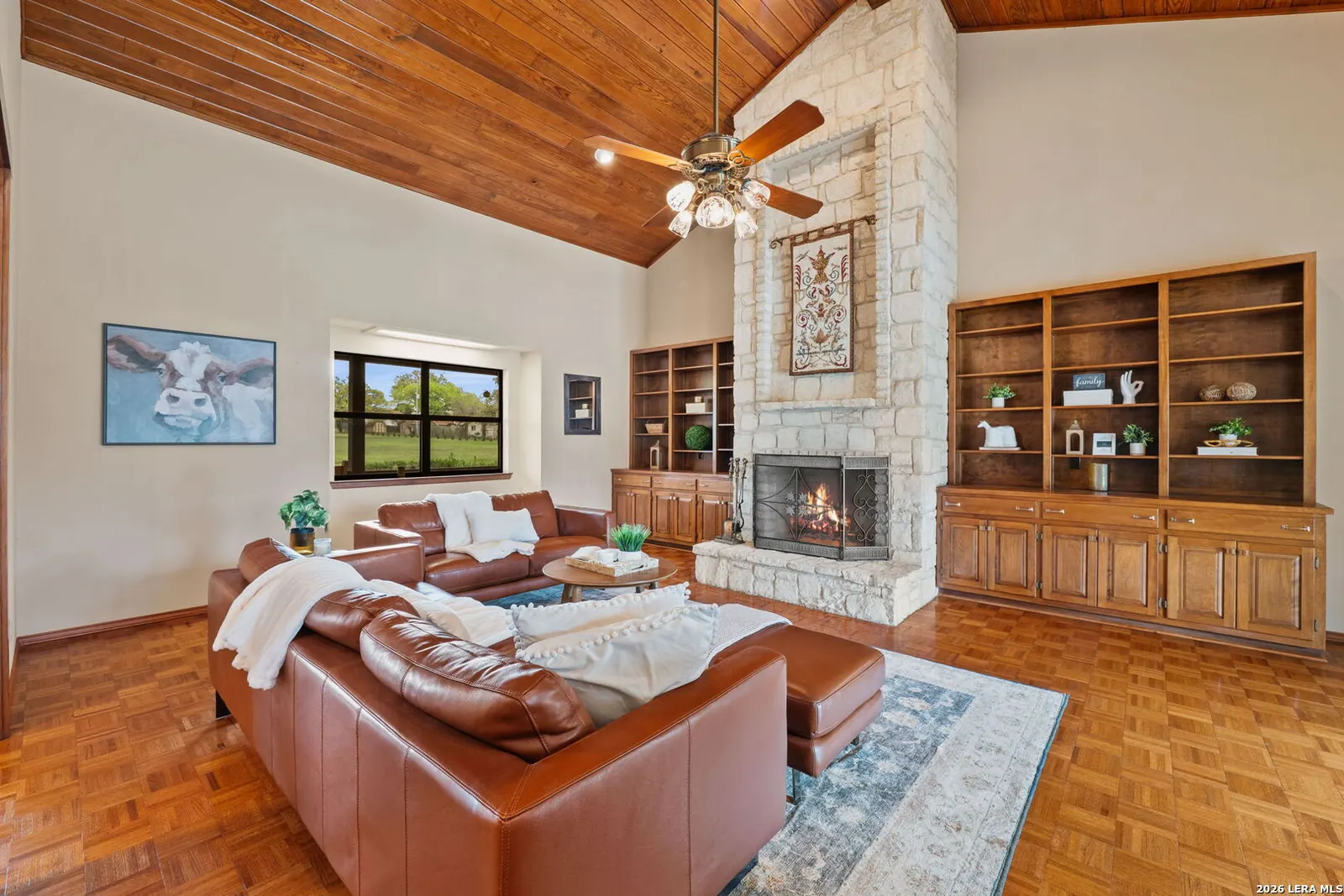
Let the original details that explain the home's identity lead the listing photos. Hardwood floors, built-ins, arches, millwork, vintage tile, a fireplace, or well-proportioned windows can give buyers a reason to pause. They work best when the room around them is quiet enough to be understood.
Start by standing where the photographer is likely to shoot. If a sofa blocks a built-in, a television competes with the fireplace, or several small rugs interrupt the floor, the strongest feature may disappear in the image. Remove the competing item before adding more decor. One clear focal point gives the room a stronger listing story than several unrelated moments.
Older does not have to read as dated. Local staging guidance from BY Design says traditional style can suit an older home while lighter furnishings and reduced heavy drapery help brighten the presentation. It also points to furniture scale as an important link between traditional and modern pieces. That gives a seller room to make the presentation feel current without stripping away every sign of age.
Use restraint with physical changes. The City of San Antonio describes original windows as important to the character and craftsmanship of a historic home. For a designated historic property, local design guidelines or a Certificate of Appropriateness process may apply to some work. A staging deadline is a poor reason to rush into replacement. Confirm the property's status and ask the Office of Historic Preservation or the right building professional before altering a character-defining feature.
The listing-presentation leak is usually competition, not age. Heavy window treatments, oversized furniture, crowded collections, and mixed focal points can make buyers work too hard to find the house itself. Preserve the detail that belongs to the property. Edit the item that belongs only to the current setup.
How can you make older rooms look brighter without erasing character?
Improve brightness by clearing the path of natural and artificial light before making cosmetic changes. Open blinds, remove heavy drapery that swallows a window, clean the glass, replace failed bulbs, and check how the room photographs at the scheduled time of day. These are presentation decisions that can reveal the architecture already there.
Dark furniture can be useful in the right room, but several bulky pieces may absorb light and hide the floor line. Keep the piece that establishes function, then remove anything that narrows the view from the doorway. A lighter rug, simpler bedding, or less visual weight near the window can help a room read without forcing a style that conflicts with the house.
Watch for mixed light and neglected fixtures. A beautiful original fixture loses its value in the listing image if it is dusty, missing a bulb, or surrounded by competing lamps. Clean it, confirm it works, and let it have space. If there is a repair or electrical concern, pause and call the appropriate professional. Staging should never disguise a function or safety issue.
Paint belongs later in the decision, after cleaning, editing, and lighting checks. A wall color may look like the problem when a blocked window or oversized armoire is doing most of the damage. If paint is still needed, the choice should support the fixed surfaces and the rooms buyers will see together. It should not turn every older home into the same blank box.
Before photos, compare four views: the entry into the room, the main wide shot, the focal feature, and the path into the next space. If one view looks dark or cramped, adjust the furniture or window treatment that affects that view. This keeps the work tied to the listing instead of becoming an open-ended decorating project.
What furniture works in smaller or divided rooms?
Choose the smallest amount of furniture needed to prove the room's purpose and scale. Many older homes have separate living and dining rooms, narrower passages, or a pass-through space that does not explain itself when empty. Oversized pieces can make those rooms feel less useful than they are.
Begin with the walking path. A buyer should be able to enter, understand the function, and move toward the next room without turning sideways around a chair. Keep doors, windows, built-ins, and floor transitions visible. If a piece blocks one of those cues, move it or remove it. The goal is not to fill the room. The goal is to answer how the room works.
Furniture scale also affects buyer understanding in photos. A large sectional can make a modest living room look undersized, while tiny scattered pieces can leave buyers unsure about what fits. Use a seating group with a clear relationship to the focal point. In a dining room, show a believable table footprint and leave enough visible floor around it to communicate circulation.
An odd pass-through or enclosed porch needs one clear job. It might read as a sitting area, office, or dining space based on its fixed features and connection to nearby rooms. Do not assign two competing uses just to display more possibilities. One desk plus lounge furniture plus storage can turn flexibility into confusion.
This is where a staging consultation can save work. An occupied home may need editing and a new layout using selected seller furnishings. A vacant property may need a partial installation in the rooms buyers cannot size or understand. The right service depends on the presentation leak. Empty rooms with unclear scale call for furniture. Crowded occupied rooms often need removal and repositioning first.
Should you repair, update, or stage the problem?
Separate the problem into four decisions before spending money: preserve, repair, edit, or stage. This prevents furniture and accessories from being asked to cover work they cannot solve. It also keeps the seller, Realtor, stager, and contractor clear about who owns the next step.
Use this review in every room.
Preserve: Keep an original feature that adds architectural identity and photographs well once the area is cleared.
Repair: Address damage, deferred maintenance, failed lighting, or a function concern with the appropriate professional.
Edit: Remove personal storage, excess furniture, heavy treatments, or decor that blocks light, movement, or a focal point.
Stage: Add only what is needed to show purpose, scale, or a comfortable connection between spaces.
A cracked surface, active stain, sticking door, or damaged floor is not a styling problem. The stager can identify how it affects presentation, but the seller and Realtor should decide what needs professional evaluation before photos. Covering it with a rug or placing art in front of it can create a worse showing moment when buyers notice what the listing image hid.
An intact but visually heavy room is different. The fix may be removing a large cabinet, reducing dark textiles, changing the furniture plan, or showing more floor. Those actions can improve the listing presentation without a remodel. They also leave the original material visible for buyers who value it.
Discuss updates in the context of the listing plan. Ask whether the issue is hurting photos, confusing room use, interrupting showing flow, or raising an obvious condition question. If it does none of those things, it may not deserve pre-listing attention. If it creates a real concern, staging alone is not the answer.
Where should a San Antonio seller spend the staging budget first?
Spend first on the rooms that establish the home's daily function and the areas buyers struggle to read. The National Association of Realtors' 2025 survey found that the living room, primary bedroom, and dining room were the rooms most commonly staged. The same report says 83 percent of buyers' agents believed staging made it easier for a buyer to visualize the property as a future home. That is industry context, not a promise about one sale.
For an older San Antonio home, begin with the living room because it often contains the strongest architectural feature and the main circulation decision. Next, address the primary bedroom and dining area if their scale or furniture layout is unclear. Then look at any enclosed porch, pass-through room, converted space, or flex area that needs one understandable purpose.
Use this priority order before booking photography.
First, finish cleaning and any repair work that affects condition or function.
Next, clear the main focal features, windows, doorways, and walking paths.
Then establish one purpose in every room included in the listing photos.
Add furniture where an empty room hides scale or layout.
Finally, review the camera views and remove anything that competes with the house.
Occupied staging may fit when the seller has usable furnishings but needs a firm edit plan. Vacant or partial staging may fit when empty rooms feel cold, small, or difficult to understand. A consultation can define the room priorities before the seller pays for moving, storage, painting, or rented inventory.
Bring the Realtor into the decision before the photographer is scheduled. The agent can explain the listing plan and transaction timing. The stager can identify the rooms, pieces, and presentation gaps that deserve attention. If an older home needs a clearer photo story, review staging services or book a staging consultation while there is still time to make focused changes.
Related home staging services
Sources
- 2025 Profile of Home Staging, National Association of Realtors
- Historic Design Guidelines for Windows, City of San Antonio Office of Historic Preservation
- Office of Historic Preservation Public Portal Help, City of San Antonio
- What Style of Home Staging Is Best for Your San Antonio Listing?, BY Design Home Staging
How Should You Stage an Older San Antonio Home? FAQs
Should an older home be staged to look modern?
It should look current and easy to understand, but it does not need to imitate new construction. Keep useful original character and edit the furnishings or treatments that make rooms look dark, crowded, or dated.
Should sellers remove original features before listing?
Do not remove a character-defining feature merely for a newer look. For a designated historic property or a planned physical alteration, confirm local requirements and consult the right professional first.
What rooms should be staged first in an older home?
Start with the living room, primary bedroom, dining area, and any room whose scale or purpose is difficult to read. Give priority to spaces that carry the listing photos and showing flow.
Can staging hide needed repairs?
No. Staging can improve room purpose, scale, light, and presentation, but damage or function concerns belong in a repair conversation with the Realtor and appropriate professional.
Is occupied or vacant staging better for an older San Antonio home?
Occupied staging works when useful seller furnishings can be edited and repositioned. Vacant or partial staging can help when empty rooms are hard to size or understand. A consultation can define the better fit.