
By Valarie Adams · August 25, 2026
Should a San Antonio Investor Stage a Renovated Flip Before Listing It?
A renovated flip can look finished and still be difficult to read in listing photos. Use this San Antonio decision guide to choose between focused staging, photo preparation, or a pause before the camera is scheduled.
Should an investor stage a renovated flip before listing it?
Stage the flip when its empty rooms leave a buyer guessing about size, use, or how the finished home functions. Fresh paint, new flooring, updated counters, and clean fixtures can make a renovation feel complete. They do not automatically show where seating belongs, how a dining area works, or whether a spare room is meant to be an office, bedroom, or storage space. Those are presentation questions that matter before the first listing photo is taken.
The National Association of REALTORS 2025 Profile of Home Staging found that 83% of buyers' agents said staging made it easier for buyers to visualize a property as a future home. That is national survey context, not a forecast for one San Antonio property. It does give an investor a practical test. If a room needs furniture to communicate its scale or purpose, vacant home staging may be worth including in the listing plan.
Start with the rooms that carry the clearest marketing job. The living room often shows the main gathering area. The primary bedroom helps establish how the home lives day to day. The dining area and kitchen show flow. A loft, bonus room, or converted space may need one clear role so the photo sequence does not make the layout feel unfinished. A focused plan can be more useful than furnishing every room.
What presentation problems make vacant staging useful?
Vacant staging is useful when the renovation created a good room but the empty room does not explain itself. A long living room may look narrower without a seating group. A dining area can blend into an open kitchen when there is no table to establish its boundary. A large bedroom may photograph as a blank rectangle instead of a place with workable furniture scale. The goal is not to fill the home with decor. It is to make the photo and showing path easier to read.
Look from the likely camera angle and from the doorway. Can a viewer identify the room's main job quickly? Is there a clear path through it? Are the renovated features visible without furniture blocking a fireplace, window, island, built-in, or feature wall? The NAR consumer guide describes staging as a way to highlight a home's strengths and help buyers picture themselves there. It also warns against overcrowding rooms and ignoring scale. Those two points are especially useful for a flip with clean but empty rooms.
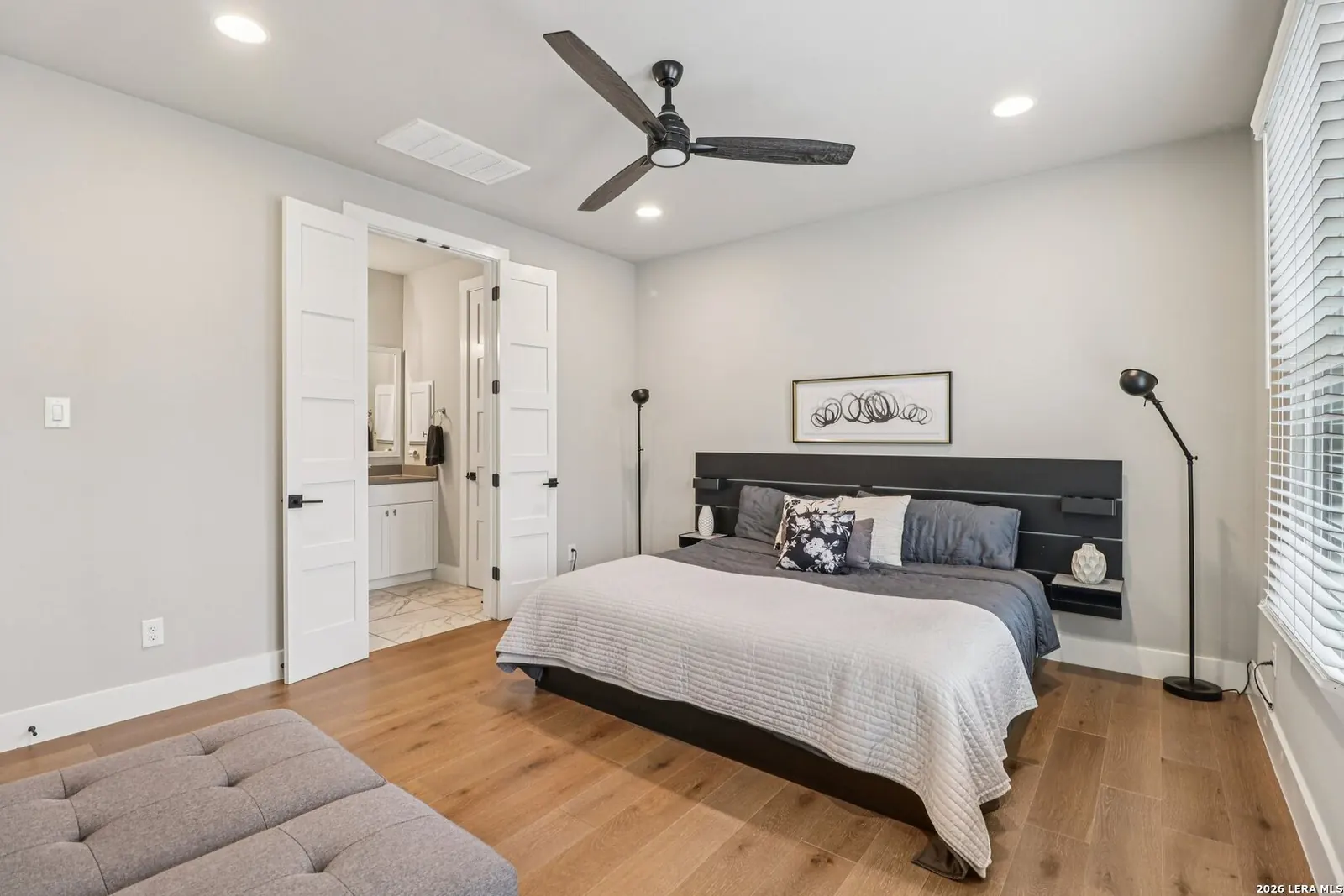
A room can be photo-ready without full furnishings. The best answer may be a small seating setup in the living room, a bed and simple nightstands in the primary bedroom, or a dining setup that makes an open-plan transition understandable. Other rooms may need only cleaning, window treatment adjustments, or a better camera angle. The service decision should name the visual problem and the action that solves it.
Which rooms should receive the staging budget first?
Put the budget where a buyer needs the most help understanding the finished home. NAR's 2025 survey lists living rooms, primary bedrooms, and dining rooms among the rooms most commonly staged. For an investor, that is a starting point rather than a fixed package. Walk the property and identify the rooms that will carry the first impression in listing photos, the first few minutes of a showing, and the property's overall flow.
The living room comes first when it is large, narrow, unusually shaped, or visually connected to the kitchen. Use furniture scale to show where a conversation area fits and to keep important renovation details visible. The primary bedroom comes first when the room needs a bed and side tables to establish proportion. A dining area deserves attention when it could otherwise read as extra floor space or as part of the kitchen.
Then review the rooms with an unclear purpose. A flex room with no defined use can prompt more questions than it answers. Choose one realistic function that fits the layout and the listing audience without assigning a lifestyle story to the buyer. A home office, guest room, or media room can work if the room supports that use. If it does not, leave the space open and let the listing materials describe the actual features. This room-by-room approach keeps investment property staging San Antonio decisions tied to clarity instead of decoration.
When is a consultation or photo-prep plan enough?
A consultation or photo-prep plan can be enough when the main rooms already have usable furniture, a clear layout, and a manageable list of edits. The work may involve removing leftover project materials, clearing counters, opening a walkway, reducing accessories, changing an oversized rug, or deciding which rooms need a single furniture piece. This path fits when the investor needs direction more than a complete furniture installation.
Choose a focused staging scope when several key rooms need furniture for scale and purpose. Choose a broader vacant home staging San Antonio service when the property's main living areas, bedrooms, and dining spaces all need help reading as a finished home. The decision is not about whether the renovation cost a lot. It is about whether the final rooms can communicate their use with the furnishings and preparation already available.
The comparison should also include timing. Ask when construction crews, cleaners, photographers, and access needs are scheduled. The City of San Antonio's residential repair application notes that mechanical, electrical, and plumbing work require separate permits. That does not answer the requirements for a specific property. It is a reminder to confirm project status and any required inspections with the City, contractor, and other qualified professionals before planning photography or showings. Staging works best after the property is ready to present, not while unfinished work is still shaping the room.
How can an investor choose the right scope before photos?
Use the same four questions in every photo-critical room. First, can a viewer tell what the room is for from the doorway or the first image? Second, does the room need furniture to show scale, circulation, or a focal point? Third, are the finished features visible without visual clutter or awkward empty space? Fourth, is the property complete enough for the photographer to capture it accurately?
If the main living areas need furniture to show scale or a clear purpose, consider focused vacant staging for those rooms. If the room needs editing, cleaning, layout changes, or a clearer photo sequence, use a consultation or photo-prep plan. If construction completion, access coordination, or project questions remain open, pause the photo date and confirm the next step with the appropriate qualified professional.
This framework keeps the decision concrete. A renovated flip may need furniture in only three rooms. Another may be ready after a consultation identifies what should be removed and how the photographer can move through the home. If the work is still incomplete, a staging installation cannot replace a project closeout decision. Separate the presentation tasks from repair, permit, inspection, disclosure, and transaction questions so each one goes to the right professional.
For a more general comparison of furnished and lived-in listings, see the available guidance on vacant versus occupied home staging. A listing-photo preparation guide can also help the investor set the room order before the final clean.
What should happen between staging and the listing launch?
Once the scope is chosen, put the remaining tasks in the order that protects the finished presentation. Complete the construction and cleaning work first. Then arrange the staged rooms, check sightlines from the doorway, and remove project remnants that pull attention away from the renovation. Keep packaging, tools, spare materials, cords, cleaning supplies, and leftover furniture out of photo-critical rooms. The aim is a home that reads clearly, not a set that hides unfinished work.
Before photography, walk the property with the same standard used to choose the staging scope. The living room should show a usable seating area. The primary bedroom should show bed scale and an open path. The dining area should have a clear role. The kitchen should show the renovated surfaces without small items competing for attention. Any flex room should look intentional rather than half-furnished. If the house is being staged while the investor is managing other listing tasks, assign who handles access, cleaning, furniture moves, photography, and removal timing.
A Realtor can help coordinate the listing calendar and property-specific marketing choices. Contractors, inspectors, attorneys, and other qualified professionals handle questions outside staging, including construction, condition, permits, disclosures, and transaction details. Vabulous Living Staging Co. can help investors and listing teams assess whether the rooms need a focused vacant staging plan before the photo date. Start by naming the rooms that are hard to understand, the timeline, and the finished features that deserve a clear view.
Related home staging services
Sources
- 2025 Profile of Home Staging, National Association of REALTORS
- Consumer Guide: Staging Your House for a Sale, National Association of REALTORS
- Staging to Sell: The Real Estate Shift Toward Picture-Perfect Homes, National Association of REALTORS
- Tips for Selling a Home, Texas REALTORS
- Residential Repair Permit Application, City of San Antonio
Should a San Antonio Investor Stage a Renovated Flip Before Listing It? FAQs
Do all renovated flips need full staging?
No. A renovated flip may need a consultation, photo preparation, focused staging in key rooms, or a broader vacant staging scope. The useful choice depends on whether the rooms already show clear scale and purpose.
Which rooms should be staged first in a vacant flip?
Start with the living room, primary bedroom, dining area, and any flex room that is hard to understand. Prioritize the spaces that carry the first impression in photos and showings.
Can staging begin before renovation work is finished?
Staging is most useful after the property is ready to present. Confirm construction completion, access needs, and any project-specific requirements with the appropriate qualified professionals before scheduling photography.
Can staging solve a repair or disclosure concern?
No. Staging addresses presentation and room clarity. Repair, condition, permit, disclosure, and transaction questions belong with the appropriate qualified professional.