
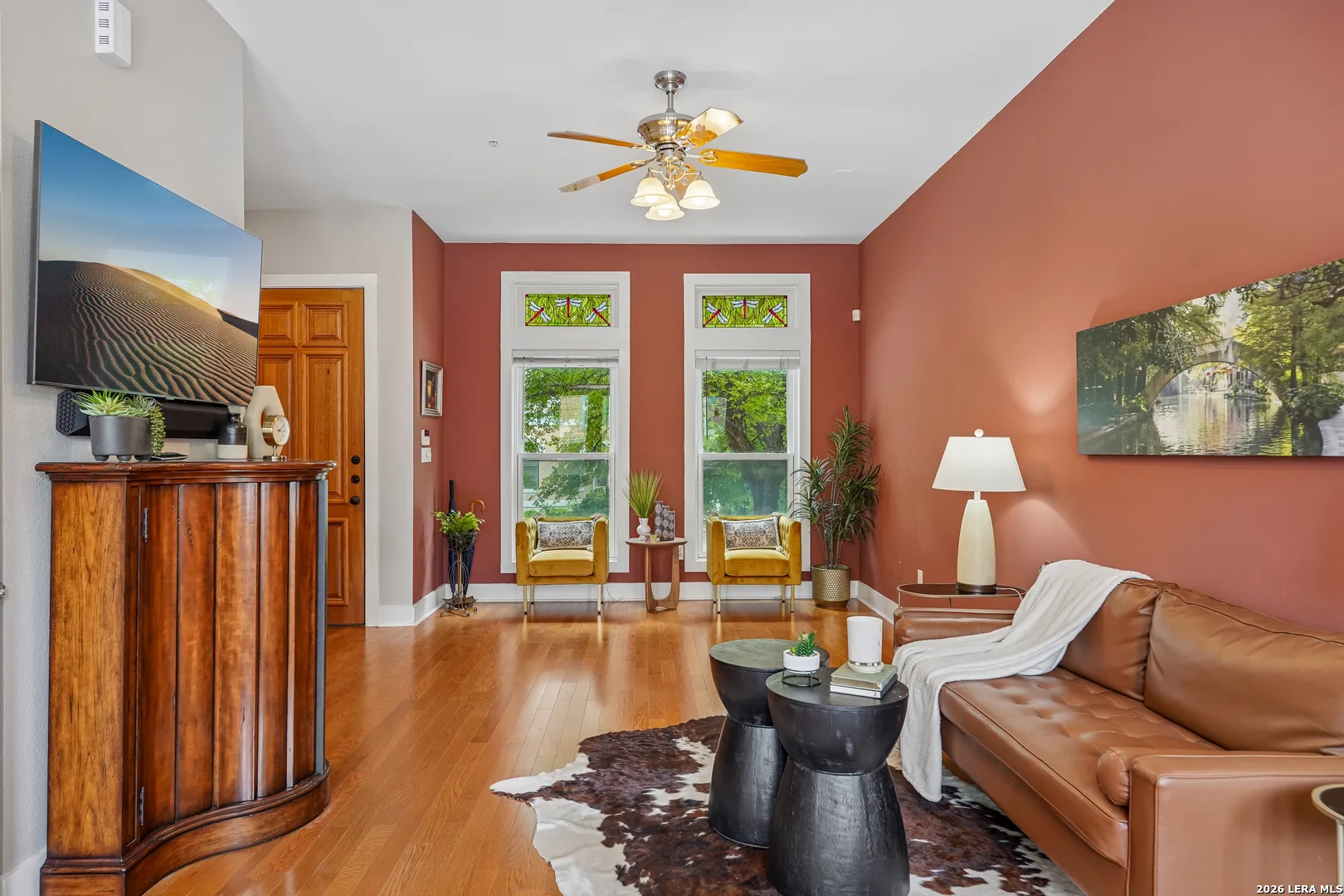
By Valarie Adams · August 11, 2026
Is a Staging Consultation Enough for an Occupied San Antonio Home With Dated Furniture?
Dated furniture does not automatically mean an occupied San Antonio home needs a full staging installation. Use a consultation to test whether editing, repositioning, and a realistic seller task list can make the important rooms ready for listing photos.
When can a consultation be enough for an occupied home?
A consultation can be enough when the home already has a workable starting point. The seller may own a sofa, dining table, beds, rugs, and storage pieces that can stay once the rooms are edited. The key question is whether those pieces can show the room's purpose without crowding the path through it or competing with the camera angle. A dated piece is not automatically a problem if it is clean, in sound condition, and sized well for the room.
The consultation should produce a practical list for the seller to complete. The National Association of REALTORS describes this service as a home visit with recommendations for the owner to carry out. That makes follow-through part of the service decision. A seller needs enough time before photography to remove personal items, clear excess furniture, complete cleaning, and try the recommended layout.
For an occupied home, keep the plan connected to daily life. A layout that looks good for one afternoon but cannot be reset for showings may not be the right answer. Ask which items need to remain available, where they can be stored, and who can move the larger pieces. If those details have a clear answer, a consultation may provide the right level of help.
Which dated furniture problems matter in listing photos?
The useful test is whether the furniture is weakening the listing presentation, not whether it matches a current decorating trend. Look at the rooms from the entry and from the likely photo angles. A bulky recliner that closes the route to a window, a dining set that fills the whole room, or a worn table that distracts from the kitchen may be doing more harm in a photograph than it does in everyday use.
Start with the rooms that establish the home's story. NAR's 2025 Profile of Home Staging identifies living rooms, primary bedrooms, and dining rooms as commonly staged rooms in its member survey. That is broad industry context, not a fixed room list for every San Antonio property. A flex room, narrow entry, or open kitchen may deserve more attention when it carries an important listing image.
Give each priority room one clear question. Can a buyer understand what happens here without an explanation? A living room needs a readable seating area. A dining area needs enough open floor to show its use. A primary bedroom should not read as storage. When existing furniture supports those answers, editing may be enough. When it blocks them, the room needs a different plan.
How should a seller test the existing layout before photos?
Use a camera-level walkthrough before deciding that furniture must be replaced. Stand at each doorway, then take a simple phone photo from the direction a listing photographer is likely to use. Look for an open route, one obvious focal point, and enough visible floor to understand the room's scale. This does not replace professional photography. It helps the seller and Realtor identify the problems the consultation needs to solve.
Then edit in the lightest useful order. Pack personal photos, papers, extra decor, loose cords, and overflow from counters and surfaces. Remove the pieces that create obvious crowding before moving the main furniture. NAR's seller guidance includes packing personal items and removing excess furniture as common staging tasks. Clearing visual noise first lets the stager assess the sofa, table, bed, and storage pieces that actually define the room.
Do not move every major piece before the appointment. The stager needs to see how the current layout relates to door swings, windows, built-ins, and the household's daily routine. A consultation can identify whether a different position, a smaller edit, or a temporary replacement will solve the photo problem. That is more useful than spending effort on a blanket furniture purge.
What is the three-column consultation test?
Use the same three choices for each room: keep and reposition, remove or store, or request hands-on help. This makes the consultation decision concrete for the seller and gives the Realtor a way to connect the room list to the photo schedule.
Start with furniture scale. A consultation is likely enough when a few usable pieces can be moved to open the route and show the room. Discuss hands-on support when the main pieces are too large, damaged, or unsuitable for the room.
Then check room purpose. A consultation can work when the seller can edit the room so its intended use is clear. More help may make sense when several priority rooms need a new layout or replacement pieces to read clearly.
Finally, consider seller follow-through. A consultation is a strong fit when the owner can pack, clean, move, and maintain the plan before photos. Discuss more support when the work is too extensive, the timing is tight, or no one can complete the plan.
This is a service-fit tool, not a promise about a listing outcome. A seller may decide that a consultation is the right first step even when one room later needs more support. The room list gives the team a way to expand only where the photo story still needs help.
When should the plan move beyond a consultation?
Move beyond a consultation when the room problem cannot be solved by the seller's own editing plan. A living room may need help if the usable sofa is too deep for the space, the layout hides the best feature, or there is no clear seating arrangement after excess pieces are removed. A primary bedroom may need support if the existing furnishings make the room look crowded or prevent the bed from showing the room's proportion.
The same is true when the seller's schedule makes the recommendation list unrealistic. Cleaning, packing, storage, furniture moves, staging, and photography need to happen in an order the home can support. NAR staging guidance recommends discussing the timeline and budget early. The useful conversation is not whether the seller has failed a consultation. It is whether a targeted occupied-staging scope would be more reliable for the rooms that matter most in the photos.
A full-room approach is not always needed. Ask whether one living area, dining zone, primary bedroom, or flex room is carrying most of the visual burden. Targeted help can keep the scope tied to the actual presentation leak instead of treating every dated item in the house as a reason to replace everything.
How can a Realtor and seller set up the consultation?
Set up the consultation around the listing-photo date, not around a vague goal to get the home ready soon. Before the visit, identify the rooms expected to appear in the marketing plan, the seller's move or storage limits, any cleaning or repair work still underway, and who can provide access. A short list of constraints gives the stager the information needed to recommend a scope the household can complete.
Make one simple handoff sheet before the appointment. List each priority room, the photo concern, the seller task, the person who will complete it, and the date it must be finished. Add a separate line for anything that needs storage, a furniture mover, cleaning help, or a decision from the listing agent. This keeps a consultation list from turning into a vague set of decorating suggestions. It also shows early when the seller has more tasks than the schedule can reasonably hold.
Bring the visual problem into the conversation. Instead of asking a seller to make the house look nicer, name what the photo needs to show. The living room route is crowded. The dining area does not read as a dining area. The primary bedroom is carrying extra storage. A specific observation keeps the task list focused on listing readiness rather than generic decorating advice.
For next steps, review Vabulous Living's staging consultation and occupied-home-staging services. If the seller and Realtor want help matching the room list to the timeline, they can contact Vabulous Living to discuss the property and the priority rooms.
Related home staging services
Sources
- National Association of REALTORS Consumer Guide: Staging Your House for a Sale
- National Association of REALTORS 2025 Profile of Home Staging
- National Association of REALTORS Consumer Guide: Preparing to Sell Your Home
- National Association of REALTORS: 6 Things Home Stagers Wish Real Estate Pros Knew About Staging
Is a Staging Consultation Enough for an Occupied San Antonio Home With Dated Furniture? FAQs
Can dated furniture stay in a staged occupied home?
Yes. It can stay when its condition, scale, and placement let the room show a clear purpose and open route. A consultation can identify which pieces to keep, reposition, or remove before photos.
Do sellers need to remove all furniture before a consultation?
No. Pack personal clutter and obvious overflow first, but leave the main room-defining pieces for the stager to assess. The existing layout helps determine whether editing or hands-on support fits the home.
Which rooms should be reviewed first for listing photos?
Start with the rooms that carry the listing story, often the living room, primary bedroom, dining area, entry, and any flex space with an unclear purpose. The property's actual photo plan should set the order.
When is occupied staging more useful than a consultation?
Occupied staging may be more useful when priority rooms still need a different layout, replacement pieces, or hands-on help after the seller's own edit list is complete.