
By Valarie Adams · June 15, 2026
Vacant vs. Occupied Home Staging in San Antonio
The right staging path depends on what buyers need to understand, what the seller can prepare, and how soon the listing photos are scheduled.
Which home staging service fits the listing?
Start with the problem buyers will see first. If the rooms are empty, the issue is usually scale, warmth, and purpose. If the rooms are furnished, the issue is often visual noise, furniture placement, and what the camera sees.
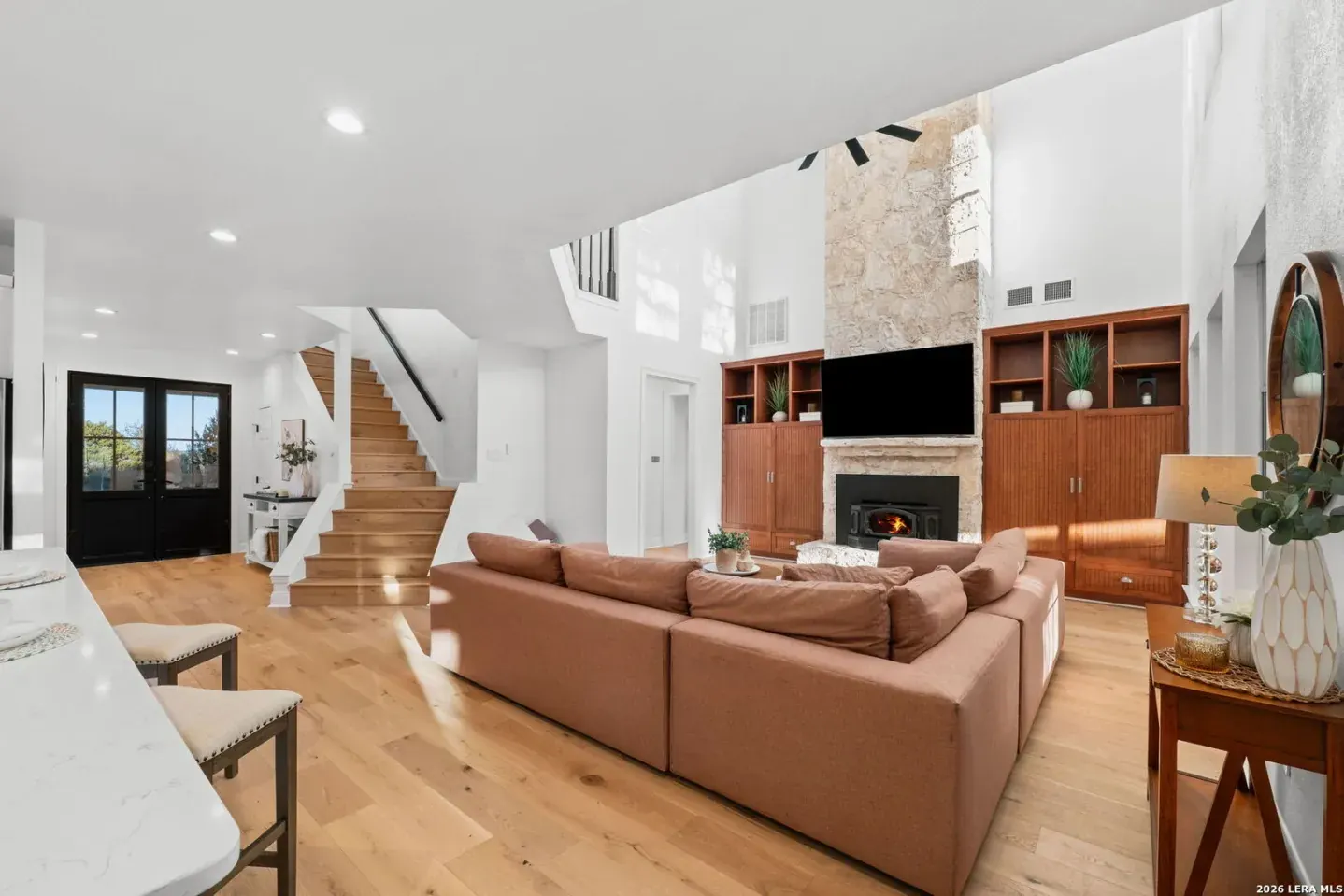
Vacant staging brings furniture, art, soft goods, greenery, and accessories into key rooms. Occupied staging works with what is already in the home, then edits and rearranges so buyers notice the room before they notice the seller’s routine.
- Use vacant staging when living areas, dining spaces, bedrooms, or flex rooms need purpose.
- Use occupied staging when the home has useful furniture but needs cleaner photos and showing flow.
- Use a consultation when the seller can do the work but needs a room-by-room plan.
- Use partial staging when the budget should focus on the rooms that carry the listing photos.
When does vacant home staging make sense?
Vacant staging is usually worth discussing when a buyer may struggle to understand how the home lives. Empty rooms can make scale harder to judge, especially in open living areas, long bedrooms, small offices, lofts, and dining spaces.
In San Antonio, this comes up often with investor refreshes, builder inventory, new construction, and homes where the listing photos need stronger room definition. The goal is not to fill every corner. The goal is to make the most important rooms easier to read.
- Stage the entry if it sets up the first impression.
- Stage the living room if scale or furniture placement is unclear.
- Stage the dining area if buyers need to see how it connects to the kitchen.
- Stage the primary bedroom if the room looks smaller without furniture.
- Stage a flex room if buyers may not know whether it is an office, bedroom, or second living area.
When is occupied home staging the better fit?
Occupied staging is the better fit when the home already has the bones of a good presentation, but the details are getting in the way. The furniture may be too close together, the counters may be busy, or personal items may pull attention away from the space.
This is common for sellers who are still living in the home during photos and showings. The plan needs to be realistic. It should tell the seller what to store, what to keep, what to move, and what needs to stay photo-ready through the first showing window.
- Edit countertops, nightstands, shelves, and entry drop zones.
- Move furniture so walkways and camera angles feel cleaner.
- Simplify bedding, towels, art, and tabletop styling.
- Create a short list of items that should disappear before photos and showings.
How should Realtors choose between vacant and occupied staging?
The cleanest conversation is not about decorating. It is about the listing strategy. Ask what buyers need to understand in the first photo set, where the home may feel confusing, and what the seller can realistically prepare before the photographer arrives.
If the home is vacant, the question is whether buyers will understand scale and purpose without help. If the home is occupied, the question is whether the current furniture and belongings support the listing or compete with it.
- If the listing needs room definition, talk about vacant or partial staging.
- If the listing needs seller prep, talk about occupied staging or a consultation.
- If photos are already scheduled, focus on the rooms with the highest visual impact.
- If the listing has gone stale, discuss staging as one possible part of a relaunch plan.
What should happen before listing photos?
Make the staging decision before the photographer is booked whenever you can. That gives you time to choose the right rooms, arrange furniture, remove distractions, and avoid a rushed photo-day cleanup.
For Alamo Heights, Stone Oak, Boerne, New Braunfels, Schertz, and nearby San Antonio-area listings, the property type should guide the plan. A renovated vacant home may need scale. An occupied family home may need editing. A builder or investor listing may need a finished model-home feel in only the most important rooms.
- Walk the home from entry to main living area, kitchen, dining, primary suite, and outdoor spaces.
- Identify any room where the use is unclear.
- Decide whether the seller can prep the room or whether staging inventory is needed.
- Prepare the staging plan before photos, not after the first round of feedback.
Questions to ask before booking home staging
A good staging recommendation should match the listing, timeline, and seller capacity. It should not force every property into the same package.
Before you book, ask the staging partner to explain which rooms matter most, what can be handled by the seller, what needs inventory, and how the plan supports photos and showings.
- Which rooms should be staged first?
- Would partial staging be enough?
- Can an occupied consultation solve the issue?
- What needs to happen before the photographer arrives?
- How long will the staging stay in place?
Related home staging services
Vacant vs. Occupied Home Staging in San Antonio FAQs
Is vacant staging always better than occupied staging?
No. Vacant staging helps when rooms need scale and purpose. Occupied staging helps when the home has furniture but needs editing, layout changes, and photo prep.
Can I stage only a few rooms?
Yes. Partial staging often makes sense when the main living area, dining space, primary bedroom, or flex room carries the listing photos.
Should staging happen before photos?
Yes, when possible. Staging before photos helps the listing launch with clearer room purpose and fewer visual distractions.
What if the seller still lives in the home?
Occupied staging or a consultation can create a realistic prep plan that works around daily life while still improving listing presentation.